
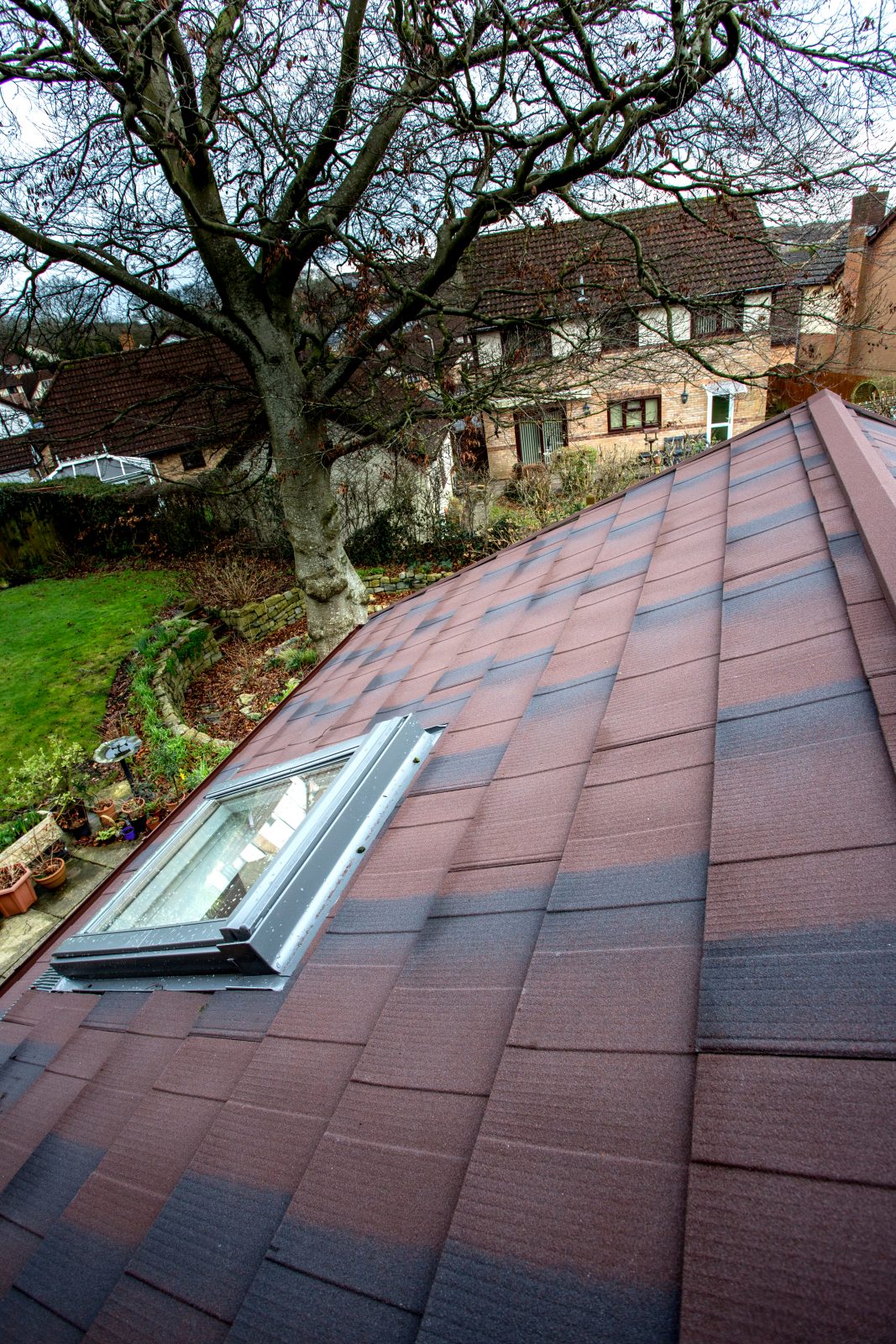
A tiled conservatory roof is much better at retaining heat than its glass or polycarbonate counterparts. This results in lower energy bills as there is no need for extensive heating and cooling.
Solid conservatories also offer more privacy as people outside cannot see in as quickly. This is especially useful if you live near a main road or in a built-up area.
Perhaps most importantly, solid roof materials come in various finishes and colours, allowing you to customise your conservatory to match the rest of your home.
This article looks at the most significant advantages of a tiled conservatory roof, with advice on choosing the right roof for your building.
Let’s jump in!
What is a tiled conservatory roof?
A tiled conservatory roof replaces your traditional glass or polycarbonate conservatory roof with a glass-reinforced plastic system with interlocking tiles to create a strong and waterproof roof structure.
The material and design of the tiles allow you to customise your conservatory with a range of colours and sizes. The tiles are usually made from engineered slate, like those used on regular roofs, and are highly durable and weatherproof.
What are the advantages of a tiled conservatory roof?
- Improved Insulation: A tiled conservatory roof looks fantastic and dramatically improves insulation, keeping your conservatory warm in winter and cool in summer.
- Lightweight Design: A tiled conservatory roof is much lighter than a traditional glass or polycarbonate roof, so it is easier to install and much less disruptive during replacements or renovations.
- Adaptability: A tiled conservatory roof can be completely customised with different materials, colours, and sizes of tiles, allowing for beautiful extensions that perfectly fit your design.
- Long lifespan: If installed correctly and looked after, a tiled conservatory roof can last for around 40 years, saving you from costly repairs and replacements.
- Weatherproof: Solid roofs are robust, with no glazing joints that can leak or materials that can go bad over time.
- Lower energy costs: The improved insulation provided by a tiled conservatory roof means you can save money on your energy bills by reducing the heat you need to pump into your conservatory to make it comfortable.
Why are conservatories inefficient?
Conservatories are often inefficient because the standard glass or polycarbonate design offers poor insulation properties. This often leads to rooms that are too hot in summer and too cold in winter.
Conservatories can also be inefficient if they are in a particularly exposed area or not designed to be energy efficient.
Poorly sealed windows, doors and other building elements can also lead to significant energy loss, making your conservatory uncomfortable.
How to make your conservatory more efficient
Here are the best ways to make a conservatory more efficient:
- Improve insulation: The most effective way to make your conservatory more efficient is to install an insulated tiled roof. This will keep your conservatory warmer in winter and cooler in summer, saving you money on heating and cooling bills.
- Light and shading: Install window coverings such as curtains, shutters, or blinds to reduce glare and overheating during warmer weather. You can also fit secondary glazing to create an extra layer of insulation.
- Insulate walls: As well as improving the roof, you should consider insulating your walls with cavity wall insulation, insulating boards, and/or loft insulation to keep the heat in.
- Replace glazing: If your conservatory has old or inefficient glazing, you should consider replacing it with energy-efficient double or triple glazing.
Does a solid conservatory roof add value?
Yes, a solid conservatory roof can add value to your property. This is because it looks more aesthetically pleasing, reduces noise from outside, is easier to maintain and has improved insulation properties, making it a more pleasant space.
A solid roof is particularly beneficial if you plan to sell the property in the future, as potential buyers may be more likely to invest in a house with a tiled conservatory.
Top tips for choosing the best roof for your conservatory
- Insulation: Ensure the new roof has good insulation properties to keep the conservatory comfortable all year round.
- Weight: Consider the weight of the new roof and make sure that the structure can support it.
- Design: Consider your personal design preferences and choose materials, colours, and sizes of tiles to match.
- Cost: It is essential to consider your budget and find the best value for money. A solid roof costs £6,000 to £12,000, depending on the size and specification and optional extras like roof lanterns.
- Security: Ensure the roof is secure against extreme wind and storms.
- Ventilation: Ensure the roof has adequate ventilation to prevent dampness and condensation build-up.
Find out more
K Glazing designs and installs solid conservatory roofs throughout Yorkshire. Call us now on 01977 700 025 for a chat and free advice about your conservatory.