
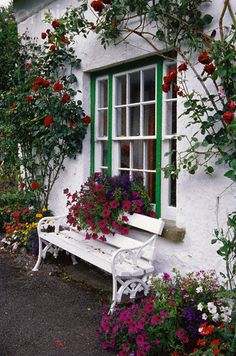
Victorian sash windows are a timeless architectural gem, exuding both elegance and charm. If you’re fortunate enough to live in a property adorned with these beautiful features, you might wonder how to preserve their authenticity while incorporating modern advancements. This comprehensive guide will explore the history, design, and materials of Victorian sash windows, as well as modern solutions for preserving their beauty and improving their energy efficiency.
K Glazing is committed to excellence as can be seen with their own range of sliding and flush sash windows.
Victorian sash windows are a timeless architectural gem, exuding both elegance and charm. If you’re fortunate enough to live in a property adorned with these beautiful features, you might wonder how to preserve their authenticity while incorporating modern advancements. This comprehensive guide will explore the history, design, and materials of Victorian sash windows, as well as modern solutions for preserving their beauty and improving their energy efficiency.
Short Summary
- Victorian sash windows offer timeless charm and style, with modern solutions allowing for their preservation.
- Advances in glass technology have enabled larger panes of glass to be used while reducing the need for glazing bars.
- Homeowners can customise Victorian sash windows by selecting colours, hardware options and heritage features such as run-through sash horns to maintain their original aesthetic whilst benefiting from improved performance.
The Elegance of Victorian Sash Windows
Victorian sash windows, also known as Victorian windows, are renowned for their elegance and timeless charm, offering a harmonious blend of style and function. These windows were a popular choice during the Victorian era, playing a significant role in traditional architecture and aesthetics.
Advancements in glass technology during the Georgian era transitioned into the Victorian era, allowing for a larger glased area and giving rise to the iconic two-over-two-grid design. This design enabled a decrease in glazing bars, further enhancing the aesthetics of the windows.
Today, modern solutions such as energy-efficient double glazing, restoration, and repair enable homeowners to preserve the beauty of their Victorian sash windows while improving their performance.
Two Over Two Grid Design
The two over two grid design is characterised by:
- Two window panes situated over two window panes
- Commonly seen in double-hung window frames
- Made possible by advancements in glass technology, allowing for larger panes and fewer glazing bars in existing windows, such as Victorian sash windows.
The benefits of the two over two grid design are numerous. For listed buildings with Victorian sash windows, it is important to preserve the original aesthetic while incorporating modern solutions such as double glazing to improve energy efficiency.
Run-Through Sash Horns
Run-through sash horns are decorative features that extend downwards from the bottom of the upper sash in a window frame, reinforcing the mortice and tenon joints of the window. These distinctive features not only strengthen the window’s framework but also provide an authentic aesthetic, maintaining the charm and elegance of Victorian sash windows.
The run-through sash horn is a classic feature of Victorian sash windows, and its horn is a classic feature.
Evolution of Glass Technology and Its Impact on Victorian Sash Windows
Glass technology advancements during the Victorian era played a crucial role in shaping the design of sash windows. The invention of the float glass production technique enabled larger glass panes and a decrease in glazing bars, leading to the development of the iconic Victorian sash window design.
This progression in glass technology not only influenced the aesthetics of Victorian sash windows but also impacted their functionality. Larger glass panes allowed for more natural light to enter homes, creating a more open and spacious atmosphere.
Larger Glass Panes
The float glass manufacturing process revolutionised the production of glass panes, enabling the creation of larger sheets for Victorian sash windows. Utilising larger glass panes allowed for an increased influx of natural light into rooms, reducing the necessity for multiple glazing bars and providing a more aesthetically pleasing appearance.
This innovation in glass production had a significant impact on the design of Victorian sash windows, as the need for multiple glazing bars was eliminated, allowing for a cleaner and more open look.
Reduction of Glazing Bars
The decrease in glazing bars in Victorian sash windows was a direct result of advancements in glass production, which enabled larger panes of glass to be manufactured. This reduction allowed more light to penetrate homes, creating a more open and airy atmosphere. Further enhancing the appeal of Victorian sash windows, this increased light created a more inviting and comfortable atmosphere.
Victorian Architecture and Sash Windows
Victorian architecture is characterised by stunning designs and impressive innovations, with sash windows playing a significant role in the overall aesthetic. Windows were essential in Victorian architecture. These windows were the most popular design of that era, with casement windows also being widely used.
Advancements in glass technology during the Victorian era enabled the incorporation of various window styles, such as bay windows, in Victorian homes. These innovations not only impacted the design of sash windows but also contributed to the overall beauty and charm of Victorian architecture.
Bay Windows in Victorian Homes
Bay windows were a popular feature in Victorian homes, extending outward from the walls of a residence and symbolising wealth and affluence. These windows allowed for an increased amount of natural light to enter the interior, further enhancing the spaciousness and elegance of Victorian homes. In addition to bay windows, ceiling windows also contributed to the bright and airy atmosphere.
The popularity of bay windows in Victorian homes is a testament to the importance of natural light and the desire for a more open and airy atmosphere. Today, bay windows continue to be a sought-after feature in modern homes, showcasing the lasting influence of Victorian architecture.
Casement Windows
Casement windows were also utilised in Victorian homes, providing superior ventilation, unobstructed views, and a tight seal against the window frame when closed. However, sash windows remained the most popular choice due to their balance and timelessness.
Despite their advantages, casement windows may not be as visually appealing as timber sash windows and may not be appropriate for certain heritage buildings. Nevertheless, they remain an excellent option for those seeking an energy-efficient, secure, and visually appealing window design.
Modern Solutions for Preserving Victorian Sash Windows
Contemporary solutions for preserving Victorian sash windows include enhancing energy efficiency through double glazing, as well as restoring and repairing the original windows. These modern advancements allow homeowners to maintain the beauty and charm of their Victorian sash windows while improving their performance and durability.
By incorporating these modern solutions, homeowners can ensure that their Victorian sash windows remain functional and elegant for years to come, preserving a piece of architectural history while enjoying the benefits of cutting-edge technology.
Energy Efficiency and Double Glazing
Double glazing is a type of window insulation that utilises two panes of glass with a space between them in order to decrease heat loss and noise. This technology can greatly improve the energy efficiency of Victorian sash windows while maintaining their traditional appearance.
By incorporating double glazing into your Victorian sash windows, you can significantly reduce heat loss and lower your energy consumption, making your home more environmentally friendly and cost-effective without compromising the charm and authenticity of your windows.
Restoration and Repair
Restoration and repair of original Victorian sash windows can help preserve their beauty and functionality while avoiding costly replacements. Common issues associated with the mechanisms of Victorian sash windows include faulty or broken re-balance box sash window weights, broken cords, and stuck windows.
Addressing these issues through restoration and repair can prolong the lifespan of your Victorian sash windows and maintain their original appearance. By investing in the preservation of your windows, you are not only protecting your home’s architectural history but also ensuring their continued performance and elegance.
Choosing the Right Materials for Your Victorian Sash Windows
Choosing the right materials for your Victorian sash windows is essential for maintaining their authenticity and durability. Materials such as uPVC, aluminium, and timber are commonly employed for Victorian sash windows, each offering its unique features and benefits.
By carefully selecting the appropriate materials for your sash windows, you can ensure that they remain a beautiful and functional feature of your home for years to come, preserving the charm and elegance of Victorian architecture.
uPVC Sash Windows
uPVC sash windows offer the following benefits:
- They mimic the appearance of wooden frames while offering improved energy efficiency and low maintenance.
- These windows are composed of coloured or painted plastic.
- They feature run-through sash horns for an unparalleled degree of authenticity.
uPVC sash windows are an excellent option for those seeking a cost-effective and low-maintenance solution that maintains the traditional look and feel of Victorian sash windows, ensuring their continued charm and elegance.
Aluminium Sash Windows
Aluminium sash windows are a strong and durable option for modern homes, offering a robust and low-maintenance alternative to traditional timber sash windows while preserving the classic appearance and functionality of sash windows. These windows are known for their strength, recyclability, and long service life.
However, aluminium sash windows may not be as visually appealing as timber alternatives and may not be appropriate for certain heritage buildings. Despite their drawbacks, aluminium sash windows remain a viable option for those seeking strength and durability in their window design.
Timber Framed Sash Windows
Timber-framed sash windows offer a range of wood choices, each with its unique features and benefits, providing an authentic look and feel. Options such as:
- Pine
- Oak
- Red Grandis
- Accoya®
are available for homeowners to choose from, ensuring a perfect match for their property.
By selecting the appropriate timber for your Victorian sash windows, you can maintain their original appearance and charm while ensuring their durability and performance. Timber-framed sash windows remain a popular choice for those seeking to preserve the beauty and authenticity of their Victorian home.
Customising Your Victorian Sash Windows
Customising your Victorian sash windows allows you to create a unique and personalised design that complements your home’s architecture. Options such as a variety of colour choices, hardware options, and heritage features enable homeowners to tailor their windows to suit their individual preferences and requirements.
By carefully selecting the appropriate customisation options, you can ensure that your Victorian sash windows not only maintain their original charm and elegance but also enhance the overall appearance and functionality of your home.
Colour Choices
A variety of color choices are available for Victorian sash windows, allowing homeowners to match their windows to their home’s exterior and interior design. Popular colours include:
- White
- Grey
- Stone
- Beige
- Natural wood
These colours can create a range of different aesthetics, from bright and spacious to intimate and traditional.
When selecting the appropriate colour for your Victorian sash windows, it is advisable to consider factors such as the style of your home, the colour of your walls, and the amount of natural light in the room. By choosing the right colour, you can ensure that your windows complement your home’s overall design and create the desired atmosphere.
Hardware Options
A range of hardware options is available for Victorian sash windows, allowing homeowners to enhance the functionality and appearance of their windows. Popular hardware options include:
- Sash fasteners
- Handles
- Frames
- Pole eyes
- Tilt knobs
- Sash lifts
- Sash locks
- Travel restrictors
By selecting the appropriate hardware for your sash windows, you can ensure that they operate smoothly and securely while maintaining their original charm and elegance. Choosing the right hardware can also help to prolong the lifespan of your windows, ensuring their continued performance and beauty.
Heritage Features
Incorporating heritage features such as:
- sash horns
- glazing bars
- slim mullions
- run-through sash horns
- traditional furniture
Can help maintain the authentic look of your Victorian sash windows.
By including these heritage features in your window design, you can ensure that your Victorian sash windows remain true to their original appearance while incorporating modern advancements in technology and materials. This attention to detail will help to preserve the charm and elegance of your home’s architectural history.
Summary
In conclusion, preserving the beauty of Victorian sash windows involves a careful balance of maintaining their original charm and incorporating modern advancements in technology and materials. By understanding the history and design of these windows, selecting the appropriate materials, and customising them to suit your individual preferences, you can ensure that your Victorian sash windows remain a beautiful and functional feature of your home for years to come.
Embrace the elegance and charm of your Victorian sash windows and let them stand as a testament to the timeless appeal of traditional architecture. By investing in their preservation, you not only protect your home’s architectural history, but also enhance its overall beauty and functionality.
Frequently Asked Questions
What is a Victorian sash window?
A Victorian sash window is a style of window that was popular during the Victorian era. It is characterised by larger and heavier glass panes to let in more light, as well as sash horns for extra support and strength in the sash joints.
These windows are still popular today, as they offer a classic look that is both timeless and elegant. They are also energy efficient, as the larger glass panes allow more natural light.
Did Victorian houses have sash windows?
Yes, sash windows were popular during the Victorian period from 1837 to 1901.
They also appeared in Edwardian suburban houses.
How to repair Victorian sash windows?
To repair Victorian sash windows, start by removing the sashes from the frame and the old glass and putty. Then clean the joints and replace any damaged timber before sanding and priming the wood.
Adding new glass or glazing, and painting and sealing the frame will complete the repair.
What were Victorian sash windows made from?
Victorian sash windows were adapted from Georgian sash windows by replacing the larger sheets of glass and re-glazing old windows, removing the older glazing bars and reducing their size.
This allowed for more light to enter the room, as well as providing a more modern look. The smaller glazing bars also allowed for more intricate designs to be created, which was a popular trend in the Victorian era.
What are the origins of sash windows?
Sash windows are believed to have originated in Holland or France during the 17th century, before eventually spreading to the UK.