Fascias and Soffits
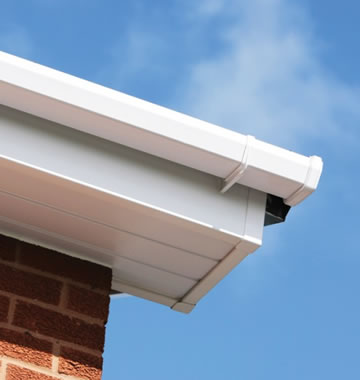
Fascias and soffits form the edge and underside of your roofing system, sealing the gap between the brickwork and the roof. They also support the bottom row of roof tiles and the gutters, so they are structural components.
This will be a stunning and modern extension to your home.
There are several misconceptions about fascias and soffits, and most homeowners don’t know what they do or why they are essential.
This article covers everything you need to know about fascias and soffits, lifting the lid on what is possibly the most underrated roofing component.
Let’s jump in!
What is a fascia?
A fascia is a timber or UPVC board that spans the width of the roof edge, meeting the tiles and attaching to the underside soffits. Fascia boards are more than aesthetic devices – they also prop up the first row of tiles and support gutters.
What is a soffit?
A soffit is a strip of timber or plastic UPVC that covers the exposed underside of a roof overhang or eave. It attaches to the fascia board and box end (end fascia), sealing the gap underneath the roof from the elements.
What is a box end?
A box end is the end part of the fascia, accommodating the different angles, planes, and heights of the fascia boards. It seals the system at the end and provides the finishing look, dictating the finished profile.
How they work together
Fascias are useless without soffits, and vice versa. They are supplied and installed as single systems and form a critical part of the roof structure.
Without fascias and soffits, there would be a noticeable gap between the brickwork and the roofing system. The elements would get into the property through this gap, making it prone to leaks, heat loss, and animal habitation.
UPVC fascias and soffits connect with clips (or screws if wooden), forming a tight, boxed seal around the roof’s perimeter. We recommend UPVC for longevity – it is virtually maintenance-free and never needs painting.
What is the purpose of fascias and soffits?
Fascias and soffits perform the following roles:
- Sealing the perimeter of the roof from the elements, animals, and heat loss
- Propping up the first row of tiles and supporting the lower trusses
- Providing a base for gutters and downpipes
- Assisting with airflow to regulate attic humidity
- Finishing the roof aesthetic by hiding underside rafters and brickwork gaps.
Why do some houses not have fascias and soffits?
Houses that don’t have overhangs don’t need soffits because the roof is sealed at the top where the tiles meet the brick/stone. Many period properties have this feature, where the walls reach the roof, sealed with mortar.
They are unnecessary if there is no structural requirement for fascias and soffits. Fascias and soffits are primarily seen in houses built after the 1930s.
Find out more
K Glazing’s UPVC fascias and soffits are virtually maintenance-free – the ideal replacement for the softwood timber originally fitted to most homes. Advice is free, and we’re happy to have a chat. Get a quote, or contact us to find out more.